Burst Pipe Water Damage: What to Do in the First 60 Minutes
A burst pipe is one of the most common causes of significant water damage in Australian homes. When it happens, the first 60 minutes matter more than any other period. The actions you take, or don't take, in that window determine how much damage occurs, whether mould takes hold, and whether your insurance claim is successful. This guide tells Newcastle homeowners exactly what to do, in order, from the moment water appears.
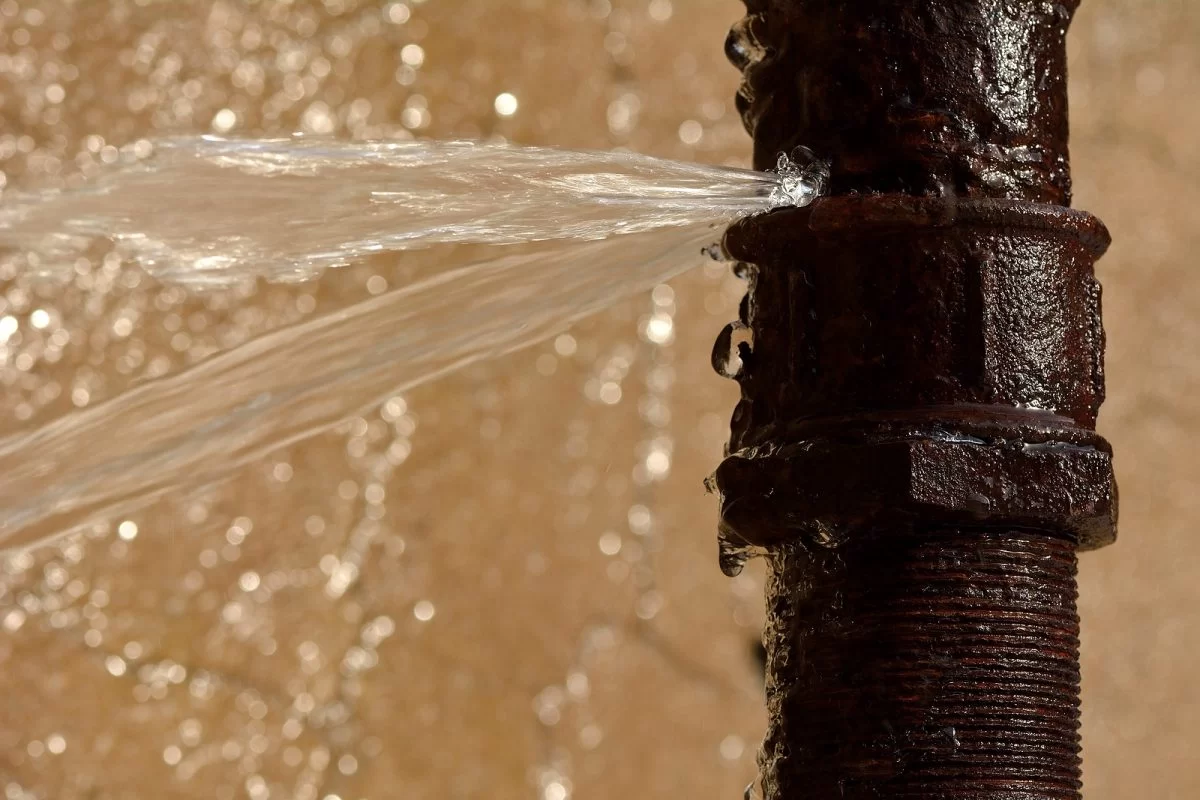
A burst pipe can release hundreds of litres per hour, saturating carpet, subfloor, walls, and adjacent rooms throughout your Newcastle home.
Step 1: Turn Off the Water Supply Immediately
Your first action after discovering burst pipe water damage is to stop the source. Find your property's main water shutoff valve and turn it off. In most Newcastle homes, this is located near the water metre, usually at the front of the property near the street kerb, or inside the garage. Turn it clockwise to close.
If you cannot find the shutoff valve or if turning it off does not stop the flow, call a plumber immediately. Do not waste time trying to contain the flow with towels or buckets. Your energy is better spent stopping the source than managing the consequences.
Know Before You Need To
Find your main water shutoff valve now, before any emergency. Write its location on a card inside your meter box. Teach every adult in your household where it is. In a burst pipe event, finding this valve in the first two minutes instead of the first ten can prevent thousands of dollars of additional damage.
Step 2: Stay Clear of Electrical Equipment Near the Water
Water and electricity are an immediately life-threatening combination. Before entering any area with standing water from a burst pipe, check:
- Are there any power points, switches, or appliances in or near the flooded area?
- Is the water level above the base of any electrical appliance?
- Is there any risk that water has reached your switchboard or meter box?
If in doubt, turn off the power at the main switchboard before entering the affected area. Do not assume standing water in a room with power points is safe. Call an electrician to confirm the area is safe if there is any uncertainty. No possessions or flooring are worth a life.
Step 3: Document Everything for Your Insurance Claim
Before you move a single piece of furniture or remove any material, use your phone to photograph and video everything. For burst pipe water damage insurance claims in Australia, thorough documentation is the single most important thing you can do to protect your claim.
- Film a continuous walkthrough of all affected areas from multiple angles
- Photograph the burst pipe itself (if accessible and visible)
- Photograph all wet flooring, watermarks on walls, and any damaged contents
- Note the time you discovered the damage and any recent events that may have caused it
- Contact your insurer to log the claim before any restoration work begins
If you have noticed
hidden signs of water damage in your walls or ceilings, document those as well. They may have been present before the burst and could indicate a longer-term issue your insurer needs to assess.
Step 4: Begin Water Extraction If Safe to Do So
Once the source is stopped, power is confirmed off or safe, and documentation is done, you can begin extracting standing water. Use these tools in order of effectiveness:
1
Wet-Dry Vacuum (Shop Vac)
The most effective DIY tool for extracting water from hard surfaces and carpet. Make multiple passes over the same area. Carpets hold far more water than a single pass removes.
2
Mops and Buckets
For hard flooring. Not suitable for carpet. Mopping a wet carpet moves water around without extracting it from the underlay.
3
Towels and Absorbents
Use for edges, corners, and under furniture. Effective for residual moisture after vacuuming, not for primary extraction.
⚠ Do NOT use a regular upright or stick vacuum on standing water. It will permanently damage the motor and potentially create an electrical hazard. Only wet-dry vacuum units are designed for water extraction.
Step 5: Call a Water Damage Restoration Service
DIY extraction removes visible surface water. It does not dry the subfloor, the wall cavities, or the structural framing. Burst pipe water damage from a pipe inside the wall means water may have been entering the wall structure for hours or longer. Only professional restoration equipment can extract and dry that moisture before mould sets in.
Professional
structural drying uses industrial dehumidifiers and air movers to draw moisture out of building materials that household equipment simply cannot reach. Flood Services Newcastle responds within one hour of your call, 24 hours a day, across Newcastle, Lake Macquarie, and the Hunter region.
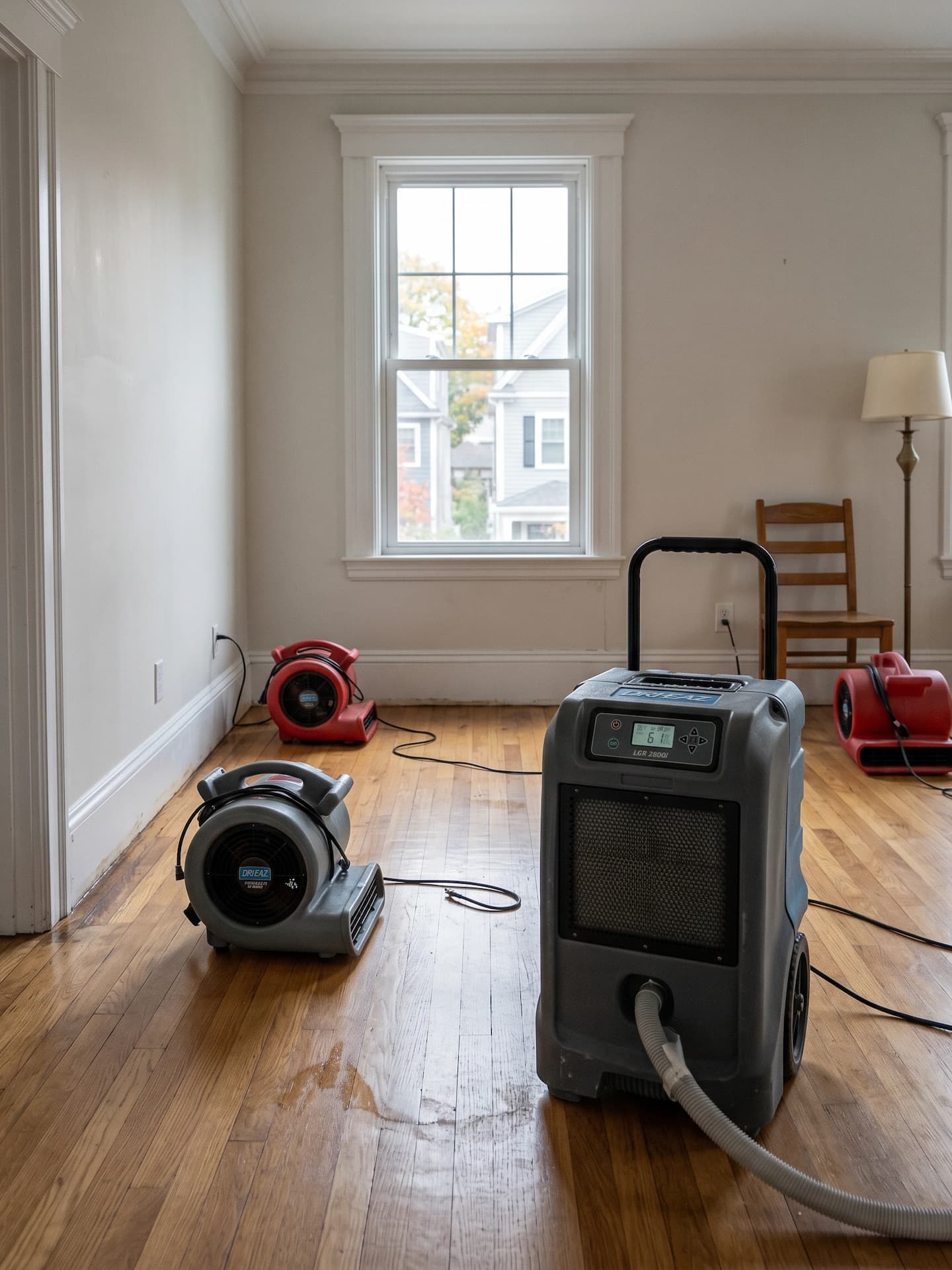
Professional drying equipment running inside a residential property. Industrial air movers and dehumidifiers achieve results that household gear cannot.
What Happens If You Delay Action After a Burst Pipe?
Every hour of inaction allows water to penetrate deeper into your home's structure. Here is the realistic timeline of what happens when burst pipe water damage is left unaddressed. For a detailed breakdown of the full restoration process, see our guide on
how long water damage restoration takes.
1 to 2 Hours: Rapid Spread
Water travels under floorboards, behind skirting boards, and through wall cavities. A single hour of flow can saturate multiple rooms of subfloor.
2 to 12 Hours: Deep Structural Saturation
Water penetrates deeply into timber framing, insulation, and plasterboard. Subfloor swelling begins. Carpet fibre and underlay fully saturated.
12 to 24 Hours: Bacterial Growth and Odour
Standing water becomes a bacterial breeding ground. Musty odour develops. Timber subfloor begins to warp and expand.
24 to 48 Hours: Mould Colonisation Begins
Active mould growth starts in the underlay, wall base, and subfloor. Air quality inside the affected rooms begins to degrade.
48+ Hours: Structural Damage Confirmed
Plasterboard may need full replacement. Subfloor replacement likely. Mould remediation required in addition to drying. Total restoration cost increases significantly.
Burst Pipe vs General Flood Damage: Is There a Difference?
Understanding the type of water damage you are dealing with affects insurance coverage, restoration complexity, and health risk. Here is how burst pipe damage compares to external flood events.
| Factor |
Burst Pipe Damage |
External Flood Damage |
| Water Category |
Category 1 (clean) |
Usually Category 2 or 3 (contaminated) |
| Insurance Coverage |
Generally covered |
Depends on policy flood definition |
| Restoration Complexity |
Moderate |
Higher, decontamination usually required |
| Mould Risk |
High if not addressed within 24 hours |
Very high, contaminated water accelerates mould |
Frequently Asked Questions
What causes burst pipes in Australian homes?
The most common causes include ageing copper or galvanised plumbing reaching the end of its service life, water pressure spikes, corrosion and pinhole leaks, tree root intrusion in drain lines, and physical impact during renovation work.
Who do I call first after a burst pipe, a plumber or a water restorer?
Call a plumber first to stop the water flow and repair the pipe. Once the pipe is repaired, call a water damage restoration company to assess and extract the water that has already entered your property. The plumber fixes the pipe; the restorer fixes the damage the pipe caused.
How much water damage can a burst pipe cause?
A burst pipe at average residential pressure can release 50 to 500 litres per hour. A pipe undetected overnight can release thousands of litres, saturating carpet, subfloor, walls, and adjacent rooms.
Will my home insurance cover burst pipe water damage?
Yes. Burst pipe damage from a sudden and accidental pipe failure is covered by most Australian home and contents policies. Document everything and call a licensed restoration company before demolishing walls or removing damaged materials.
How long after a burst pipe does mould appear?
Mould can begin growing within 24 to 48 hours of a water damage event in Newcastle's warm coastal climate. Professional restoration within 24 hours significantly reduces mould risk. Learn more about how we handle this with our
mould remediation service.
Do I need a plumber and a water restorer after a burst pipe?
Yes, they do different jobs. A plumber repairs the pipe. A water damage restoration company removes the water from your property, dries the structure, and prevents mould. Both costs are typically covered by home insurance.
What should I not do after a burst pipe?
Do not use electrical appliances near standing water. Do not walk on wet flooring unnecessarily. Do not turn power back on until confirmed safe. Do not begin demolition before your insurer has been notified. Do not use a regular vacuum on standing water.
Burst Pipe in Your Newcastle Home? We Are One Hour Away.
Flood Services Newcastle responds 24/7. Industrial extraction, structural drying, and full insurance documentation. Call now. Every minute counts.

 5 Stars With 100+ Returning Customers