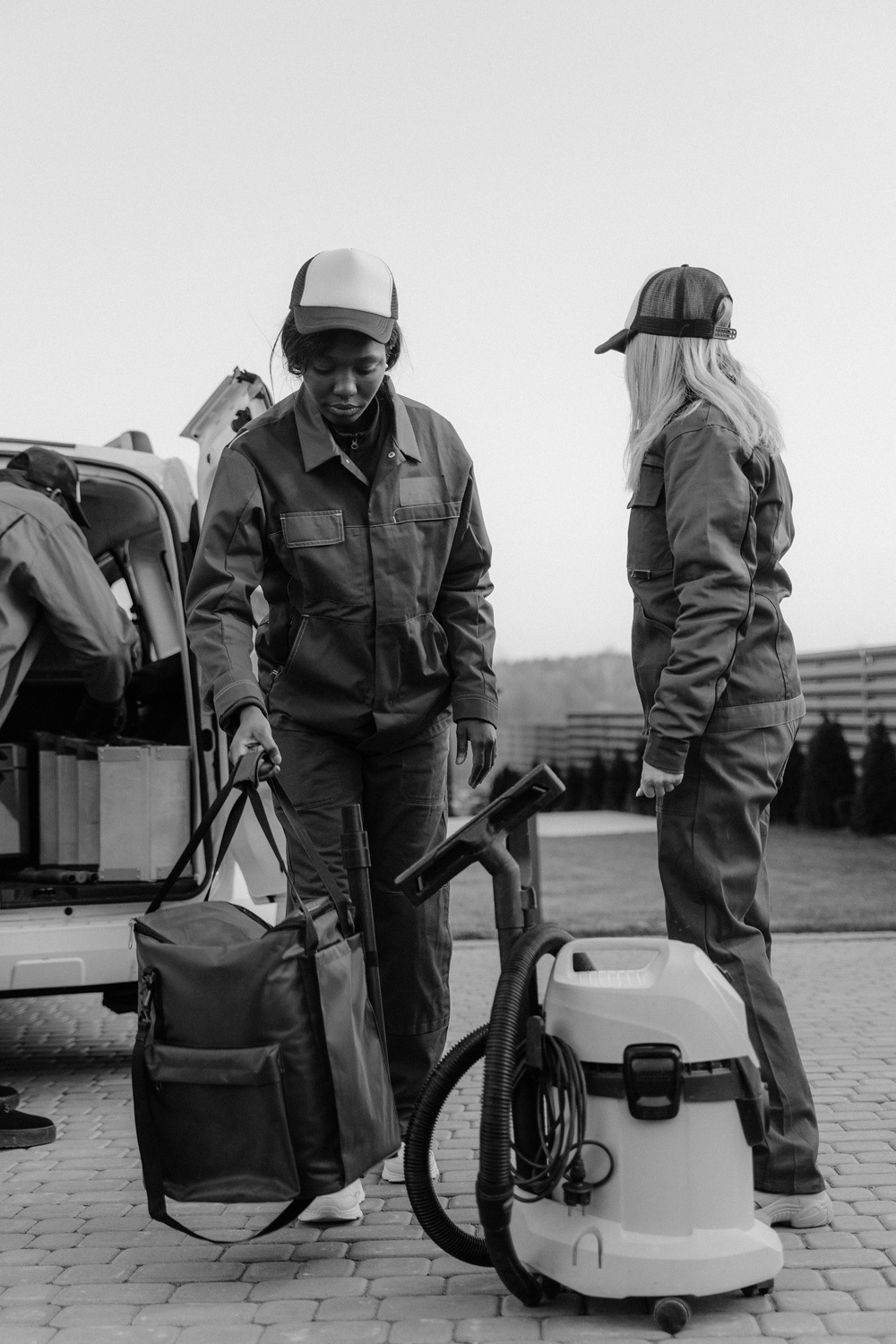
SERVICING AUSTRALIA WIDE - 24/7 EMERGENCY RESPONSE
ANYTIME - ANYWHERE - WE'LL BE THERE

How Long Does Water Damage Restoration Take? A Real Timeline

How Long Does Water Damage Restoration Take

After a flood or water damage event, the question every Newcastle homeowner asks is the same: how long does water damage restoration take? The honest answer is it depends — but that is not good enough when you are living around drying equipment and worrying about getting your home back to normal. This guide gives you a realistic timeline for every stage of the water damage restoration process, from the moment our team arrives to the final clearance sign-off.

Table of Contents

    1. Quick Answer: How Long Does Water Damage Restoration Take?
    2. The 5-Stage Restoration Timeline Explained
    3. What Affects How Long Drying Takes?
    4. Minor vs Major Water Damage: Time Expectations
    5. Can You Stay Home During Restoration?
    6. When Is Restoration Considered Complete?
    7. Frequently Asked Questions

Quick Answer: How Long Does Water Damage Restoration Take?

The Short Version

Most residential water damage restoration jobs in Newcastle take 3 to 7 days from start to clearance. Minor jobs involving a single room of carpet can be completed in 24 to 48 hours. Major flood events affecting the entire structure of a property can take 10 to 14 days. The single biggest variable is how long the water was present before restoration started — the longer the delay, the longer the process.

The 5-Stage Water Damage Restoration Timeline Explained

Day 1 — Hours 1 to 4

Stage 1: Emergency Response and Extraction

Our team arrives within one hour. The water source is confirmed as stopped. Industrial extractors remove standing water from flooring, carpet, and hard surfaces. Initial moisture metre readings are taken to map all affected areas — including walls, subfloors, and ceilings not visibly wet.

Day 1 — Hours 4 to 8

Stage 2: Equipment Setup

Industrial air movers and dehumidifiers are positioned based on the moisture map. In some cases, carpet is lifted and underlay removed at this stage to allow the subfloor to dry. Wall cavity drying mats or injection systems may be installed where internal wall moisture is detected.

Days 2 to 5

Stage 3: Monitored Structural Drying

This is the core of the water damage restoration timeline. Equipment runs continuously. Technicians return daily to take moisture readings and adjust equipment positioning. The goal is to reduce all affected materials to pre-loss moisture content levels. In Newcastle's coastal climate, high ambient humidity can extend this phase. Learn more about our structural drying services.

Days 3 to 7 (if required)

Stage 4: Mould Treatment and Antimicrobial Application

If mould risk is identified during monitoring, or if the water damage involved Category 2 or 3 water, antimicrobial treatment is applied to affected surfaces. This may be done in parallel with drying or as a separate stage. Read our guide on what mould remediation involves to understand when this stage is required.

Final Day

Stage 5: Clearance Inspection

All moisture metre readings are recorded and compared to target levels. When all materials are within acceptable ranges, a written clearance report is issued. This is the point at which reconstruction — new plasterboard, repainting, carpet relaying — can begin.

What Affects How Long Drying Takes?

  • Ambient humidity. Newcastle's coastal climate means ambient relative humidity is regularly above 70–80%. This slows the evaporation rate and extends drying time compared to inland properties.
  • Subfloor type. Particleboard and timber subfloors — extremely common in Newcastle residential properties — absorb significantly more moisture than concrete slabs and take proportionally longer to dry.
  • Time elapsed before restoration started. Every hour of delay allows water to penetrate deeper into the building structure. Jobs that begin within one hour of the water event are typically the fastest to resolve.
  • Equipment quality and quantity. Household fans and store-bought dehumidifiers are not designed for structural drying. Professional industrial equipment processes significantly more air volume and achieves drying results household gear cannot reach at all.
  • Building ventilation. Properties with good cross-ventilation dry faster. Rooms with limited airflow — basements, enclosed bathrooms, built-in wardrobes — require more targeted equipment placement.

Minor vs Major Water Damage: Time Expectations

Damage Type Typical Timeline Key Variables
Appliance overflow, single room 24 – 48 hours Subfloor type, carpet removal required?
Burst pipe, 2–3 rooms affected 3 – 5 days Wall penetration depth, subfloor material
Roof leak into ceiling/walls 4 – 7 days Structural access, cavity drying required
Flash flooding, ground floor 5 – 10 days Water category, mould present?
Major flood, full property 10 – 14+ days Structural removal, mould remediation scope

For a full breakdown of what is involved in each scenario, see our guide to hidden signs of water damage in walls and ceilings.
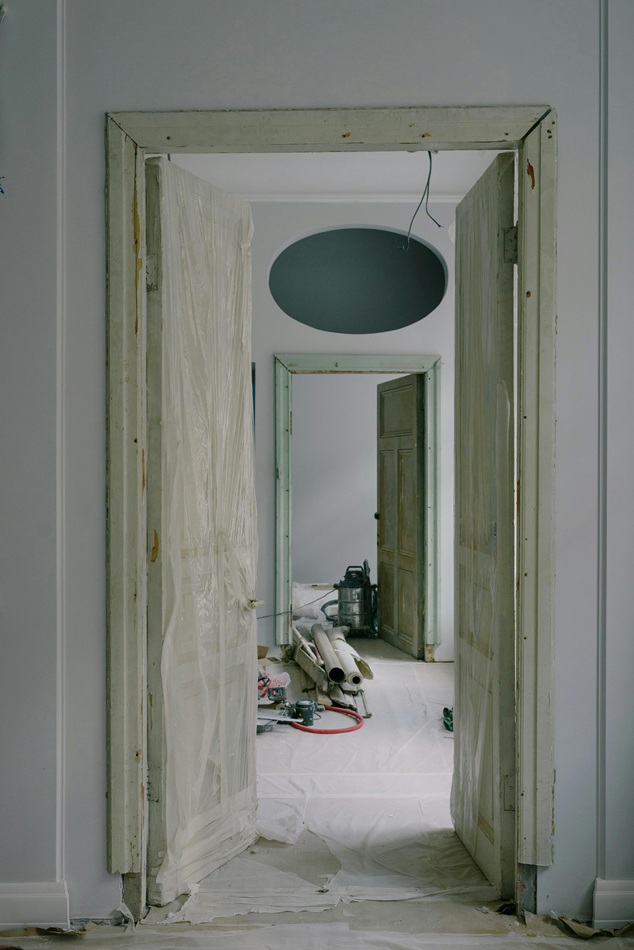
Industrial air movers and dehumidifiers running in a residential room

Can You Stay Home During the Restoration Process?

For most minor to moderate water damage jobs, yes. The equipment is operational and makes noise — similar to a strong fan running constantly — but living in an unaffected part of the property during drying is safe and common. Exceptions where temporary relocation is strongly recommended:

  • Sewage or Category 3 contamination anywhere in the property
  • Extensive visible mould affecting living areas or bedrooms
  • Large-scale restoration requiring access to all rooms simultaneously
  • Any household member with respiratory conditions, severe allergies, or immunocompromise

When Is Restoration Considered Complete?

Restoration is not complete just because the floor feels dry underfoot. It is complete when moisture metre readings of all affected materials — plasterboard, timber framing, subfloor, and carpet — return to pre-loss moisture levels. For timber framing, this is typically below 16–18%. For plasterboard, below 12%.

Important

A written clearance report confirming these readings should be provided before any reconstruction, repainting, or new flooring installation begins. Flood Services Newcastle provides this documentation as standard on every job.
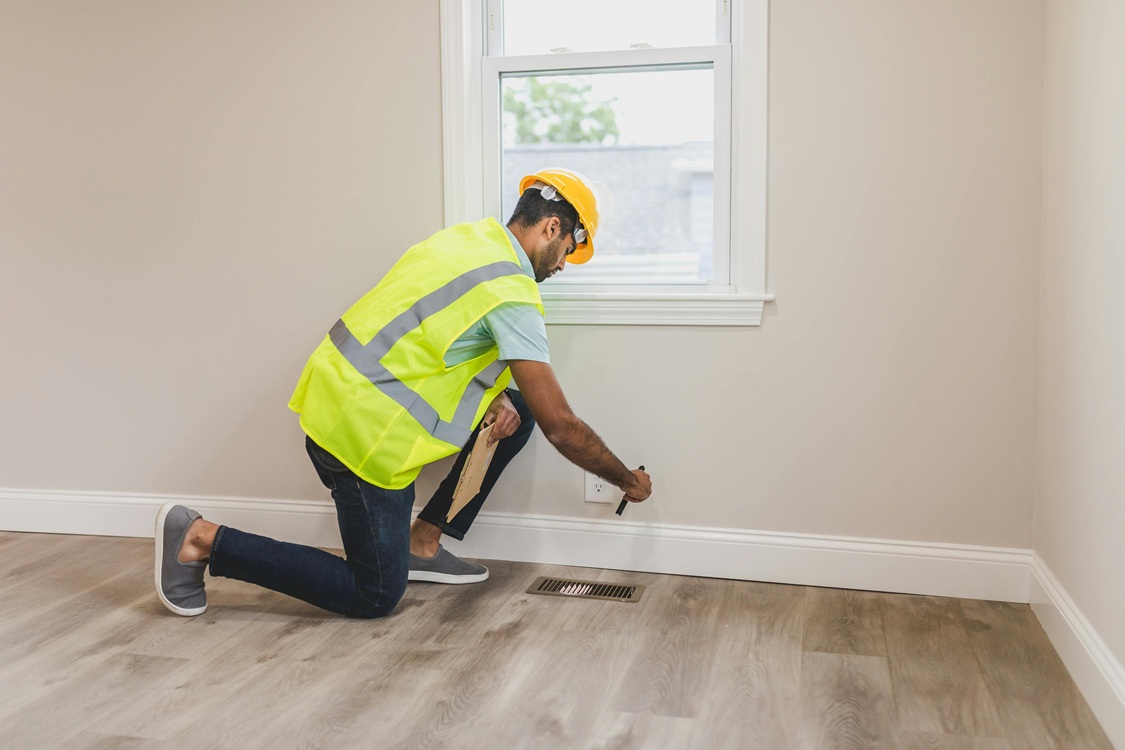
Technician taking moisture metre readings from a wall or subfloor

Frequently Asked Questions

How long does water damage restoration take? +
Timeline

Most residential water damage restoration jobs take 3 to 7 days from start to clearance. Minor single-room jobs can be completed in 24 to 48 hours. Major flood events can take up to 2 weeks. The biggest variable is how long water was present before restoration began.

How long does structural drying take after a flood? +
Structural Drying

Structural drying takes 3 to 5 days for standard residential water damage. Concrete subfloors dry in 2 to 3 days. Timber and particleboard subfloors — common in Newcastle — take 4 to 7 days depending on saturation depth and ambient humidity levels.

Can you stay in your home during water damage restoration? +
Staying Home

In most cases of minor to moderate water damage, yes. The equipment runs continuously but living in unaffected parts of the home is safe. For sewage contamination or extensive mould, temporary relocation is strongly recommended.

What slows down the water damage restoration process? +
Delays

High ambient humidity, saturated timber subfloors, limited ventilation, and delayed start all extend restoration time. Newcastle's coastal climate regularly contributes to extended drying periods compared to inland properties.

When is water damage restoration considered complete? +
Completion

Restoration is complete when moisture metre readings of all affected materials return to pre-loss or acceptable target levels. A written clearance report confirming these readings should be issued before any reconstruction begins.

How long does carpet drying take after water damage? +
Carpet Drying

Professional carpet drying takes 6 to 24 hours for the carpet itself. The underlay is usually replaced rather than dried in place. The subfloor beneath may take an additional 2 to 4 days to reach target moisture levels. See our wet carpet cleaning Newcastle service for more detail.

What happens if water damage restoration takes too long? +
Risks of Delay

Residual moisture in the structure leads to mould colonisation, structural timber decay, and ongoing air quality problems. This is why moisture level monitoring throughout the entire drying process — not just on day one — is non-negotiable.

Water damage restoration in Newcastle typically takes 3 to 7 days for most residential jobs — but acting within the first hour dramatically reduces that timeline and the total cost. The longer water sits in your property, the deeper it penetrates and the longer it takes to remove.

Whether you are dealing with a burst pipe, a sewage overflow, or a major flood event, Flood Services Newcastle responds within one hour, provides daily moisture readings, and issues a written clearance report at the end of every job. You can also read more about how much water damage restoration costs in Australia to help you plan and budget.

Fast Response. Real Results. Newcastle's Water Damage Specialists.

We arrive within one hour and start restoring your property the same day. Clear communication throughout, daily moisture readings, and a written clearance report at the end.

Call 1300 951 686 Submit an Enquiry
5 Stars With 100+ Returning Customers
facebook-mobile instagram-mobile youtube-mobile