When water damage hits your Newcastle home or business, the stress of dealing with the physical damage is compounded by the complexity of the insurance claim process. Most homeowners do not know what is covered, what evidence to collect, or how to avoid the mistakes that get claims rejected. This step-by-step guide walks you through the entire water damage insurance claims process in Australia, from the moment the damage occurs to the final settlement.
Australian home and contents policies typically cover water damage that is sudden, accidental, and unexpected. The following events are generally covered under most standard policies:
Many Australian home insurance policies distinguish between 'storm' and 'flood'. Stormwater damage (rain from a storm event) is typically covered. Rising floodwater from a river, creek, or overflowing drainage system may require a specific flood endorsement to be covered. This distinction matters enormously in Newcastle, which is regularly affected by both storm-driven rain and flooding from the Hunter River catchment. Check your PDS for your policy's specific flood definition.
Turn off the main water supply if it is a pipe or appliance. Ensure no additional water can enter the property before proceeding.
Check for electrical hazards near standing water. Do not enter flooded areas with live power circuits.
Photograph and video all affected areas from multiple angles. Capture the source of the water. Do not move damaged items until they have been photographed.
Call your insurer's claims line and log the event. Get your claim number. Ask if emergency restoration work can proceed before formal assessment.
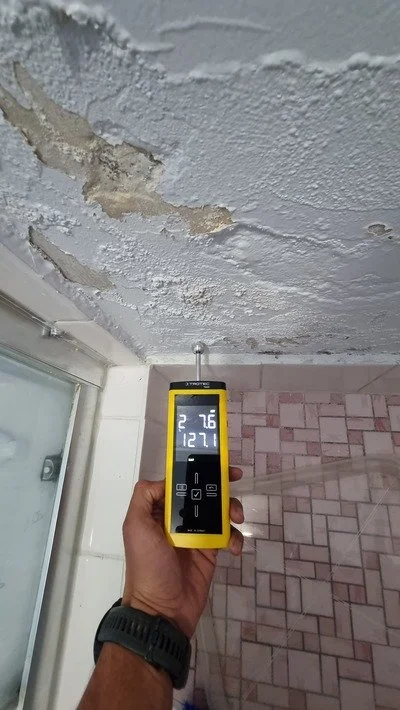
Flood Services Newcastle can begin emergency extraction and drying immediately on insurer notification. We provide the technical documentation your insurer requires: moisture readings, thermal imaging reports, and scope of works.
Your insurer will likely assign a loss assessor or building inspector. Make the property accessible and provide all evidence you have collected.
Emergency work (extraction, drying, decontamination) can generally proceed immediately. Permanent reconstruction should wait for written approval from your insurer.
Continuous walkthrough video of all affected areas before any cleanup. Close-up photos of the water source and all damage points.
A written technical report from your restoration company confirming the extent of damage, moisture readings, and the work required to restore the property.
Records of recent plumbing work, roof maintenance, or repairs demonstrate the damage was not caused by negligence and support your coverage eligibility.
A detailed list of all damaged contents with descriptions, approximate values, and purchase receipts or bank statements where available.
A professional restoration company like Flood Services Newcastle provides far more than just extraction and drying. We are your technical documentation partner throughout the claims process. Here is what our insurance support looks like in practice:
| What We Provide | How It Supports Your Claim |
|---|---|
| Initial moisture and thermal imaging report | Documents the full extent of water penetration, the evidence your insurer needs to quantify the damage |
| Written scope of works | Prepared to the standards insurers and their assessors expect, reducing disputes and delays |
| Direct communication with assessor | We speak the assessor's language and can liaise directly if required |
| Daily moisture readings during structural drying | Provides an evidence trail of the restoration process for the insurer's records |
| Final clearance report | Confirms all materials have returned to target moisture levels, required before permanent reconstruction |
| No upfront payment on covered jobs | We settle directly with your insurer, so you do not carry the financial burden while the claim is processed |
Understanding restoration costs before you claim? Read our 2026 Water Damage Restoration Cost Guide to learn what to expect, from minor carpet drying to full structural flood restoration.
If your water damage insurance claim is denied, you have clear rights under Australian financial services law. The process is:
Write formally to your insurer requesting a review of the decision and a detailed explanation of the specific policy exclusion being applied.
Contact a public loss adjuster or building insurance specialist who can review the denial on your behalf.
The Australian Financial Complaints Authority (AFCA) provides free dispute resolution for insurance claim disputes. If internal review fails, lodge a complaint at afca.org.au. AFCA decisions are binding on the insurer.
Flood Services Newcastle provides full insurance documentation, direct insurer liaison, and emergency restoration with no upfront payment on covered jobs. One call gets everything moving.

 5 Stars With 100+ Returning Customers