Sewage Overflow Cleanup: Health Risks, Safety Steps, and When to Call a Pro
A sewage overflow cleanup is not a situation where you grab rubber gloves and a mop. Sewage backup in a house is a Category 3 biohazard event, the most serious classification in water damage restoration. It contains bacteria, viruses, and parasites that pose serious health risks to anyone in the property. This guide covers the immediate safety steps, the real health risks involved, and why professional sewage cleanup is the only responsible approach for Newcastle homeowners.
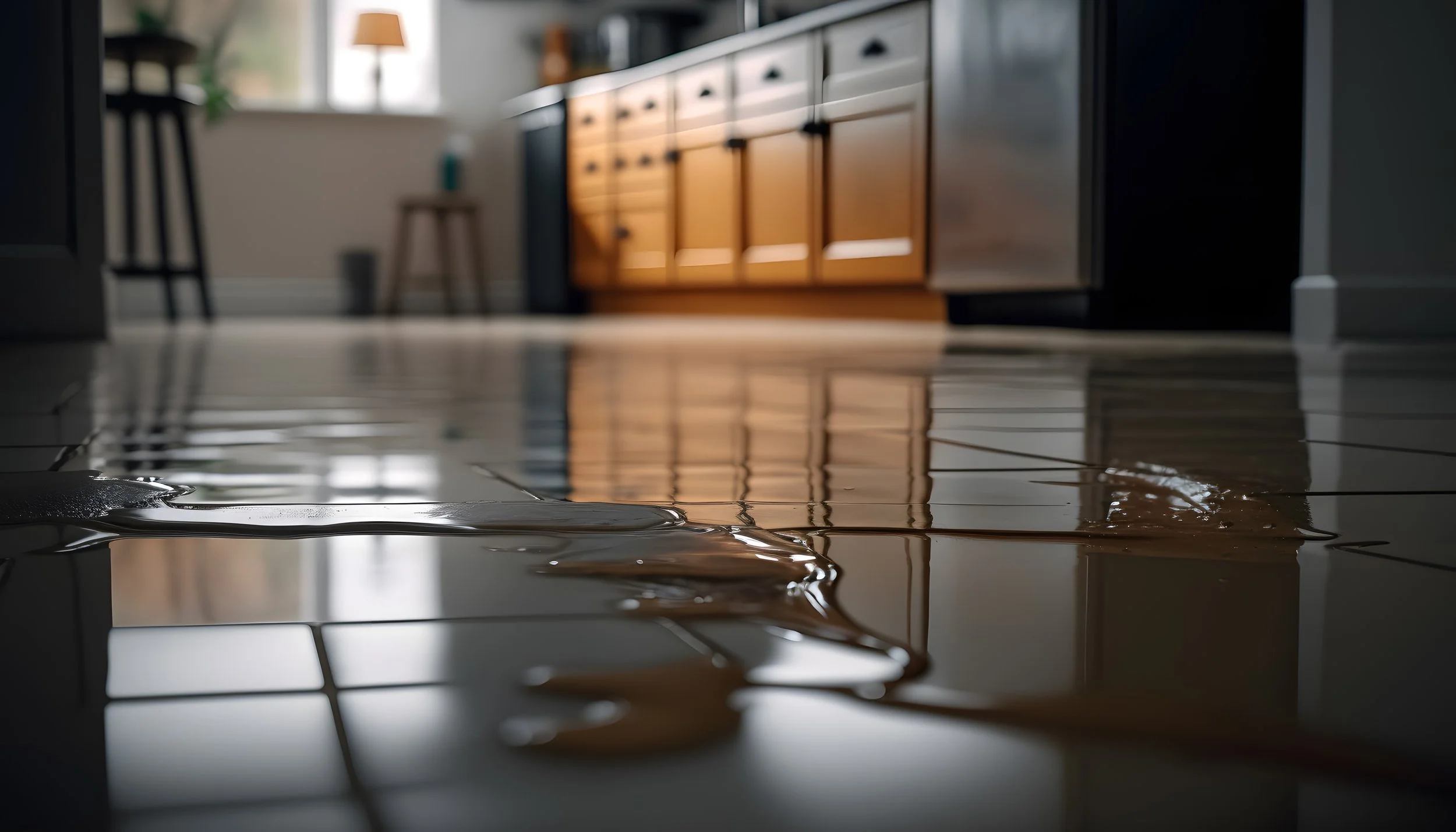
Sewage cleanup requires full protective equipment and professional biohazard protocols. It is never a DIY job.
Why Sewage Overflow Is a Category 3 Health Emergency
In water damage restoration, water is classified into three categories based on contamination level. Sewage is always Category 3, the highest risk classification.
| Category |
Water Type |
Example Sources |
Risk Level |
| Cat 1 |
Clean water |
Burst pipe, rain intrusion |
Low |
| Cat 2 |
Grey water |
Washing machine overflow, dishwasher |
Moderate |
| Cat 3 |
Black water / Sewage |
Toilet backup, drain overflow, sewage line failure |
High: Biohazard |
Category 3 water requires full biohazard protocols: full PPE, approved waste disposal, antimicrobial treatment, air quality verification, and in most cases, removal of all porous materials the sewage contacted. There is no safe shortcut.
Common Causes of Sewage Backup in Homes
- Tree root intrusion. Tree roots seek water sources and infiltrate clay sewer pipes through joints and cracks. This is the leading cause of sewage backup in established Newcastle suburbs where street trees and older sewer infrastructure exist side by side.
- Pipe blockage. Grease buildup, wet wipes, sanitary products, and foreign objects create partial or full blockages in drain lines, causing sewage to back up through the lowest drainage points in the home.
- Collapsed or deteriorated pipes. Older clay and PVC sewer pipes degrade over time, eventually collapsing and blocking flow entirely.
- Council sewer main overflow. During heavy rain events, the council sewer system can become overwhelmed. Excess pressure in the main can push sewage back through residential connections.
- Pump failure. Properties on a septic system or pump-out system can overflow when the pump fails, particularly during extended wet weather.
Health Risks: What Contaminants Are in Sewage Water?
⚠ Sewage Contamination: Key Pathogens
Sewage water contains:
- Bacteria: E. coli, Salmonella, Campylobacter, Shigella
- Viruses: Hepatitis A, Norovirus, Rotavirus
- Parasites: Cryptosporidium, Giardia
- Toxic chemicals: Household chemicals, cleaning products, and industrial contaminants flushed into the drainage system
Contact with sewage water can cause severe gastrointestinal illness, skin and eye infections, and serious respiratory symptoms from aerosolised particles.
These pathogens survive in flooring, carpet, and wall materials even after the standing water is removed. This is why sewage cleanup without full decontamination, not just extraction and drying, leaves a contaminated property behind. If you have experienced a
burst pipe or water damage event, the contamination risk is lower, but sewage is in a different category entirely.
Immediate Safety Steps Before Any Cleanup Begins
1
Evacuate the affected area
Remove all people and pets from rooms where sewage is present. Do not allow children near the area under any circumstances.
2
Turn off power to the affected area
Sewage near electrical outlets, appliances, or switches creates electrocution risk. Switch off at the switchboard before entering.
3
Do not use any plumbing in the property
Running water, flushing toilets, or using drains in a property with a sewage backup can worsen the overflow by increasing system pressure.
4
Open windows to ventilate
Do not use HVAC systems or fans. These spread contaminated aerosols through the ductwork to unaffected rooms.
5
Contact your insurer and call a professional
Document the damage with photos from outside the affected area before anything is moved or cleaned.
What Professional Sewage Cleanup Involves
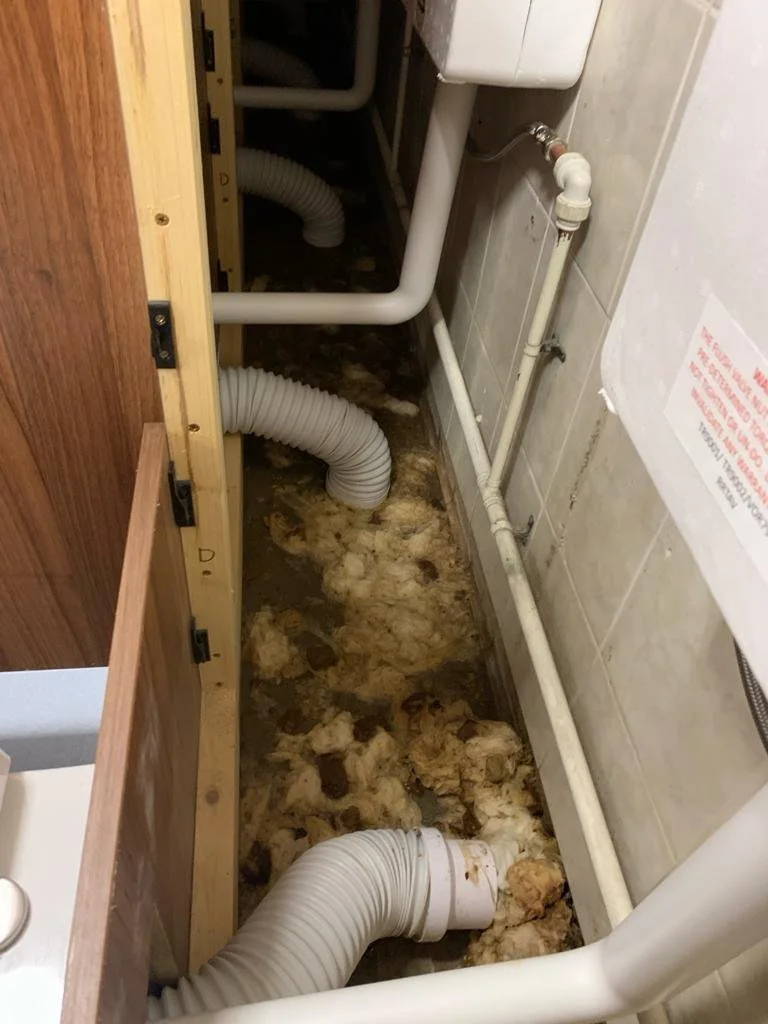
Sewage overflow requires full biohazard containment, extraction, decontamination, and structural drying by licensed professionals.
1
PPE and Containment
Full Tyvek suits, respirators, gloves, and eye protection. Containment sheeting prevents sewage contamination spreading to clean areas of the property.
2
Sewage Extraction
Industrial wet vacuum systems extract sewage water from all affected surfaces. All extracted water is disposed of as biohazardous waste through approved channels.
3
Contaminated Material Removal
All porous materials the sewage contacted (carpet, underlay, plasterboard, insulation) are removed and disposed of. These materials cannot be safely cleaned and must be replaced.
4
Antimicrobial Decontamination
All remaining surfaces are treated with EPA-registered biocidal disinfectants. Hard surfaces are cleaned, treated, and allowed to stand for the required contact time before being rinsed.
5
HEPA Air Scrubbing
HEPA air scrubbers run to remove airborne pathogens and sewage aerosols from the affected space. This continues throughout the structural drying phase.
6
Structural Drying and Clearance
The structure is dried to target moisture levels under continued monitoring. A final clearance inspection confirms the space is biologically safe for reoccupation and reconstruction.
Can You Clean Up Sewage Yourself? Risks Explained
The Direct Answer: No.
DIY sewage cleanup in a house creates serious health risks, spreads contamination, is not compliant with Australian restoration standards, and typically voids insurance claims for the affected area. The pathogens in sewage are not eliminated by household cleaning products. You need EPA-registered biocidal products applied at the correct concentration and contact time by trained operators.
Even if you were to wear appropriate PPE, disposing of sewage-contaminated materials requires approved biohazard waste disposal, which is not accessible to the general public. If
mould remediation is needed after a sewage event, the complexity increases further. The risks to your health and your property are not worth attempting self-remediation.
Does Home Insurance Cover Sewage Overflow?
Coverage varies by policy. Many standard Australian home and contents policies cover sudden sewage backup as an accidental water damage event. Some exclude sewage specifically. Key points to check in your Product Disclosure Statement:
- Whether 'sewage' or 'drain overflow' is listed as a covered event
- Whether there is a sublimit or excess specific to sewage claims
- Whether the policy covers contents damaged by sewage as well as the building structure
Flood Services Newcastle works directly with insurers and can provide a full scope of works for claim lodgement. For more detail on the claims process, see our guide to
water extraction and what professional documentation your insurer needs. We also handle full
mould removal when contamination has led to mould growth.
Frequently Asked Questions
Is sewage overflow covered by home insurance in Australia?
Coverage depends on your specific policy. Some standard policies cover sudden sewage backflow as an accidental water damage event. Others require a sewage endorsement. Check your PDS for terms covering 'sewage' or 'drain overflow'.
What are the health risks of sewage in the home?
Sewage contains bacteria including E. coli and Salmonella, viruses including Hepatitis A and Norovirus, and parasites including Cryptosporidium and Giardia. Contact with sewage water can cause serious gastrointestinal illness, skin infections, and respiratory issues. Never handle sewage cleanup without full PPE.
Can I clean up sewage overflow myself?
No. Sewage is classified as Category 3 biohazardous water. It requires full PPE, approved biohazard disposal, EPA-registered antimicrobial treatment, and air quality verification. Improper cleanup spreads contamination and voids most insurance claims.
How long does sewage cleanup take?
Professional sewage cleanup typically takes 1 to 3 days, including extraction, decontamination, structural material removal, antimicrobial treatment, air scrubbing, and drying.
What causes sewage backup in houses?
The most common causes are tree root intrusion into sewer lines, pipe blockages from grease or foreign objects, aged or collapsed pipes, council sewer main overflow during heavy rain, and pump failure in septic systems.
How do you prevent sewage backup in a house?
Regular sewer CCTV inspections every few years can identify root intrusion and blockages early. Only flush toilet paper. Install a backflow prevention valve if you are in a flood-prone area. Have grease traps cleaned regularly.
What does professional sewage cleanup involve?
Full PPE and site containment; sewage water extraction with industrial equipment; removal of all contaminated porous materials; decontamination with EPA-registered biocidal products; HEPA air scrubbing; structural drying; and a final clearance inspection.
Sewage Overflow in Your Newcastle Property? Call Immediately.
Category 3 biohazard cleanup requires professional response. Our team arrives within one hour, fully equipped and certified. We work with your insurer from the first call.

 5 Stars With 100+ Returning Customers